Fusing CBCT and CAD/CAM technologies offers a reliable way to improve accuracy and predictability in surgical dental treatments. One major advantage of this digital approach is the reduction of surgical time, which significantly decreases patient morbidity.
CBCT has become an essential diagnostic tool in implant therapy. It provides detailed information about tissue topography while reducing radiation exposure. Although CBCT images are often presented as predefined slices, they can be customized through segmentation and parameter adjustments using image-processing software, making them highly valuable for surgical diagnosis.
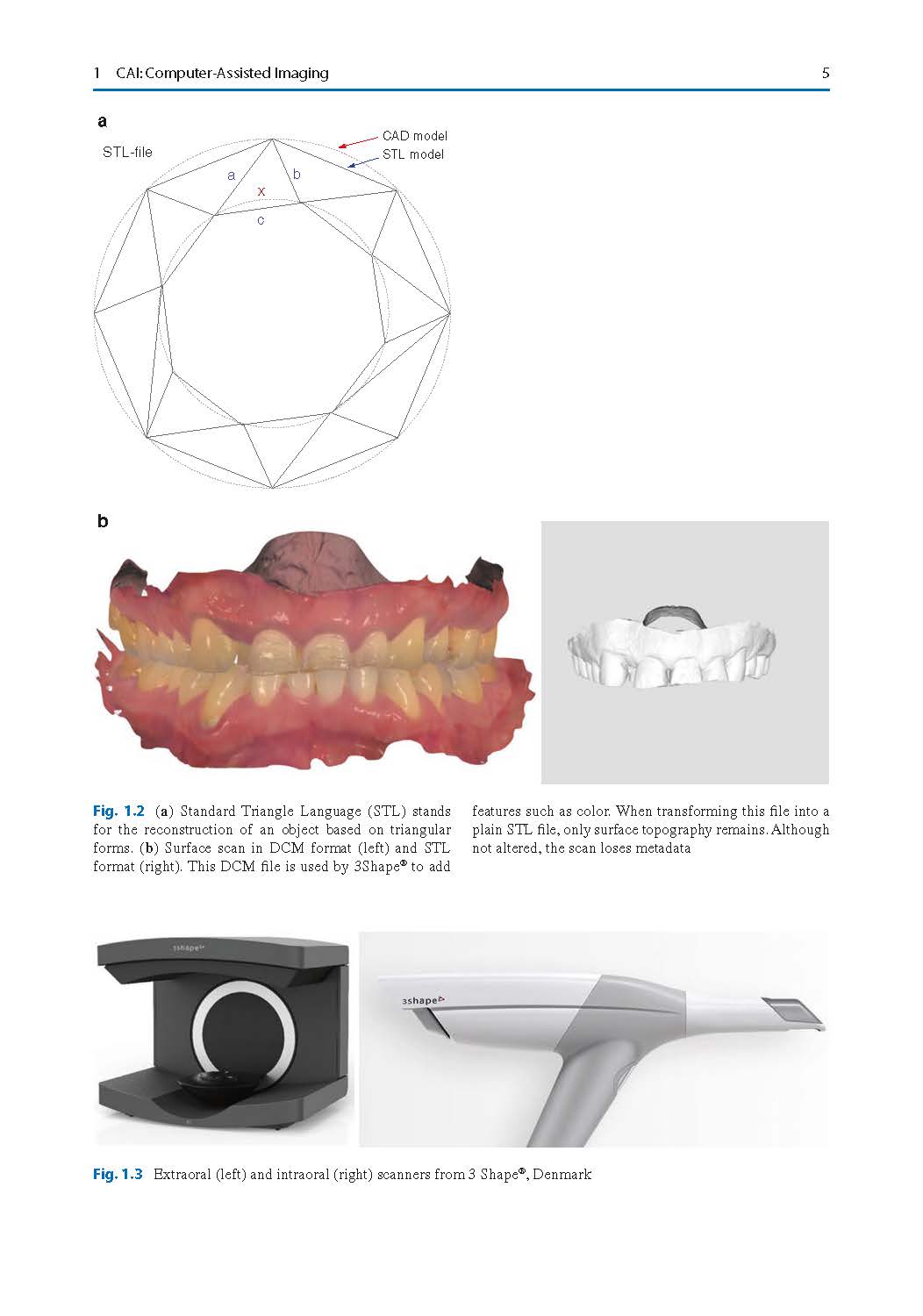
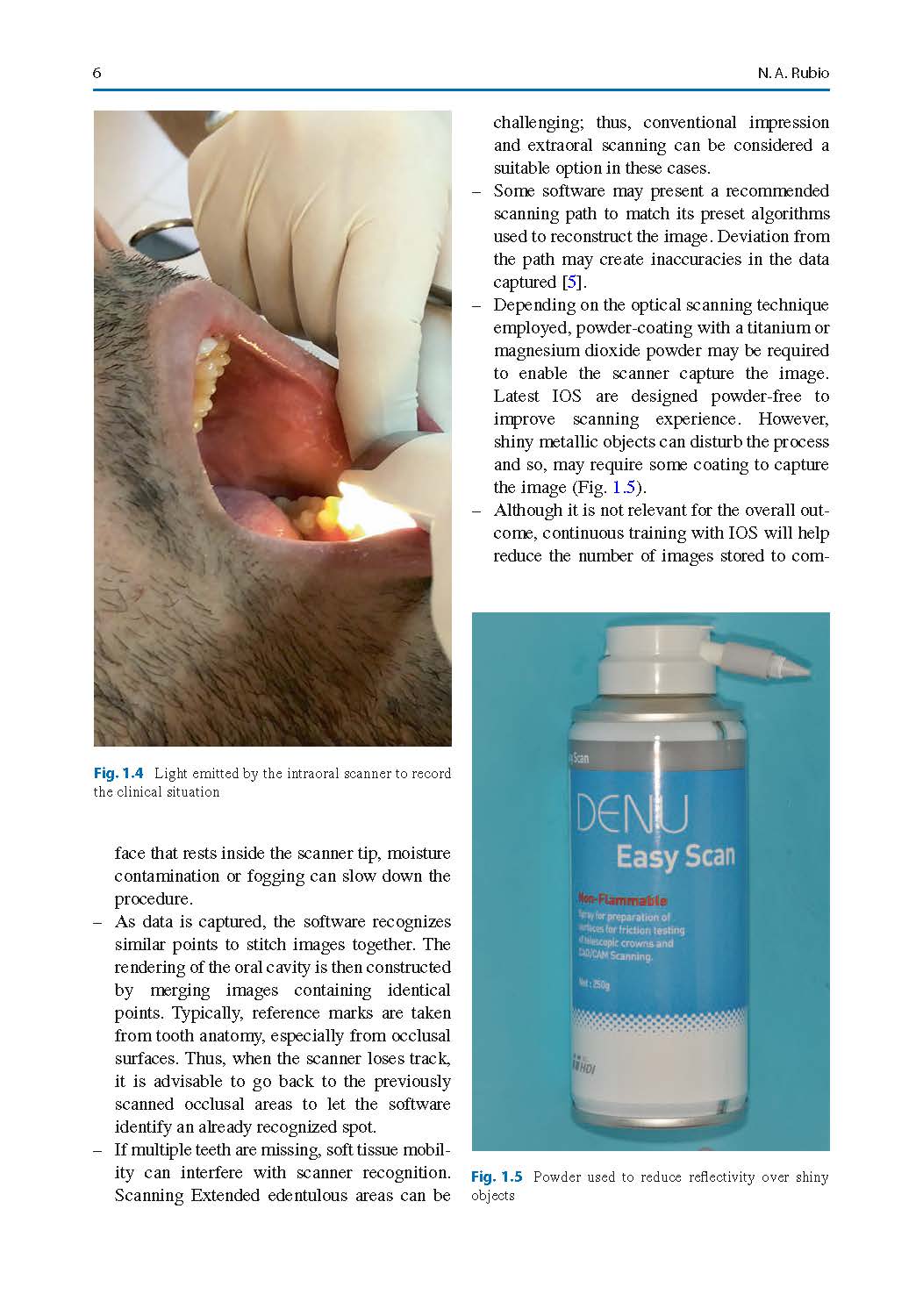
At the same time, digital scanning technologies allow physical objects to be converted into digital surface models. These models can be modified or used to design new objects, such as dental restorations, through specialized scanning software.
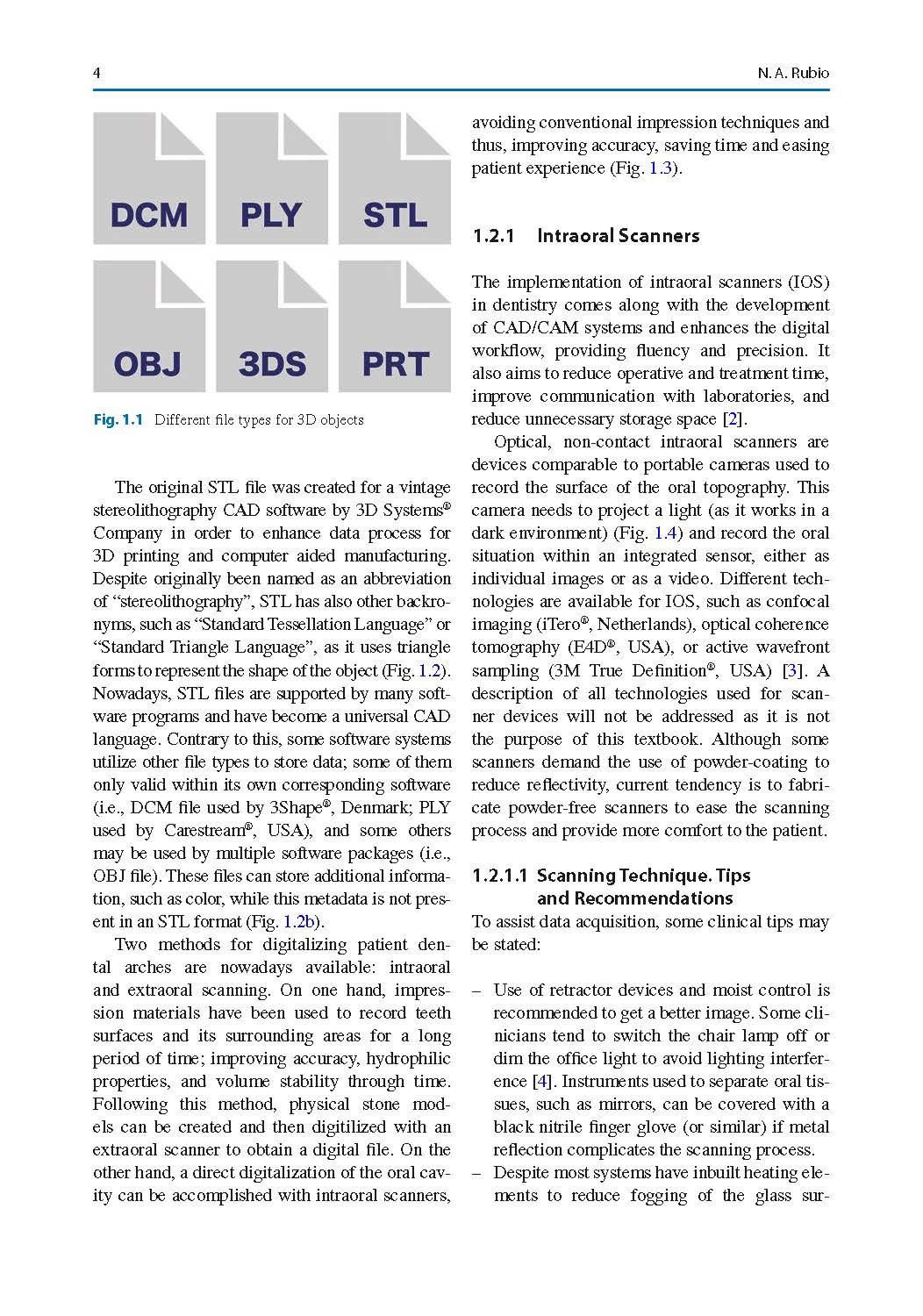
By merging CBCT data with digital casts, clinicians can combine information about the external surface of structures, like the dental arch, with internal anatomical details. This fusion requires two file formats: DICOM files from CBCT scans and STL files from scanners. Accurate merging—usually based on tooth anatomy—is the most critical step in virtual planning, as it directly affects treatment predictability.
Once the images are merged, a prosthetically driven treatment plan can be created using digital wax-ups. Virtual surgery is then performed, including implant placement or bone shaping when necessary. The final step is manufacturing a surgical guide that accurately transfers the virtual plan to the clinical setting.
Although this digital approach represents a paradigm shift, it requires significant time, effort, and training. Guided surgery emphasizes thorough diagnosis and detailed virtual planning to reduce chair-side time and patient morbidity. This method ultimately aims to improve diagnostic accuracy, treatment reproducibility, and clinical outcomes.