

Osseointegrated Oral implants 2020
۱۱,۸۰۰,۰۰۰ ریال قیمت اصلی: ۱۱,۸۰۰,۰۰۰ ریال بود.۱۰,۰۳۰,۰۰۰ ریالقیمت فعلی: ۱۰,۰۳۰,۰۰۰ ریال.
افست کتاب “Osseointegrated Oral implants 2020” ویرایش اول
| Author | |
|---|---|
| Copyright Year | |
| Edition Number | |
| Print color | |
| Page Count | |
| Cover Type | |
| Dimensions | |
| Paper type | |
| Publishers | |
| ISBN Number | |
| Weight |
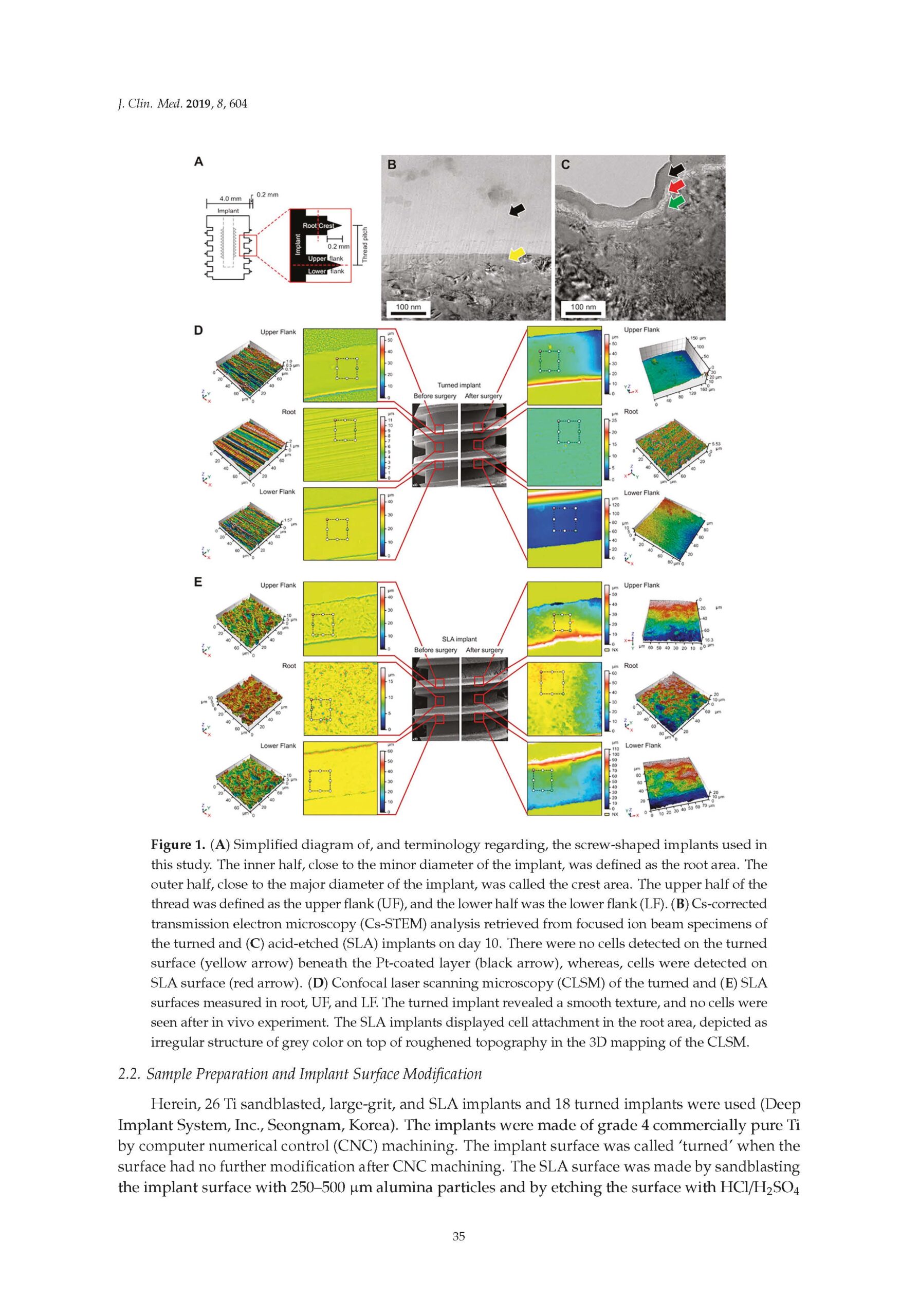
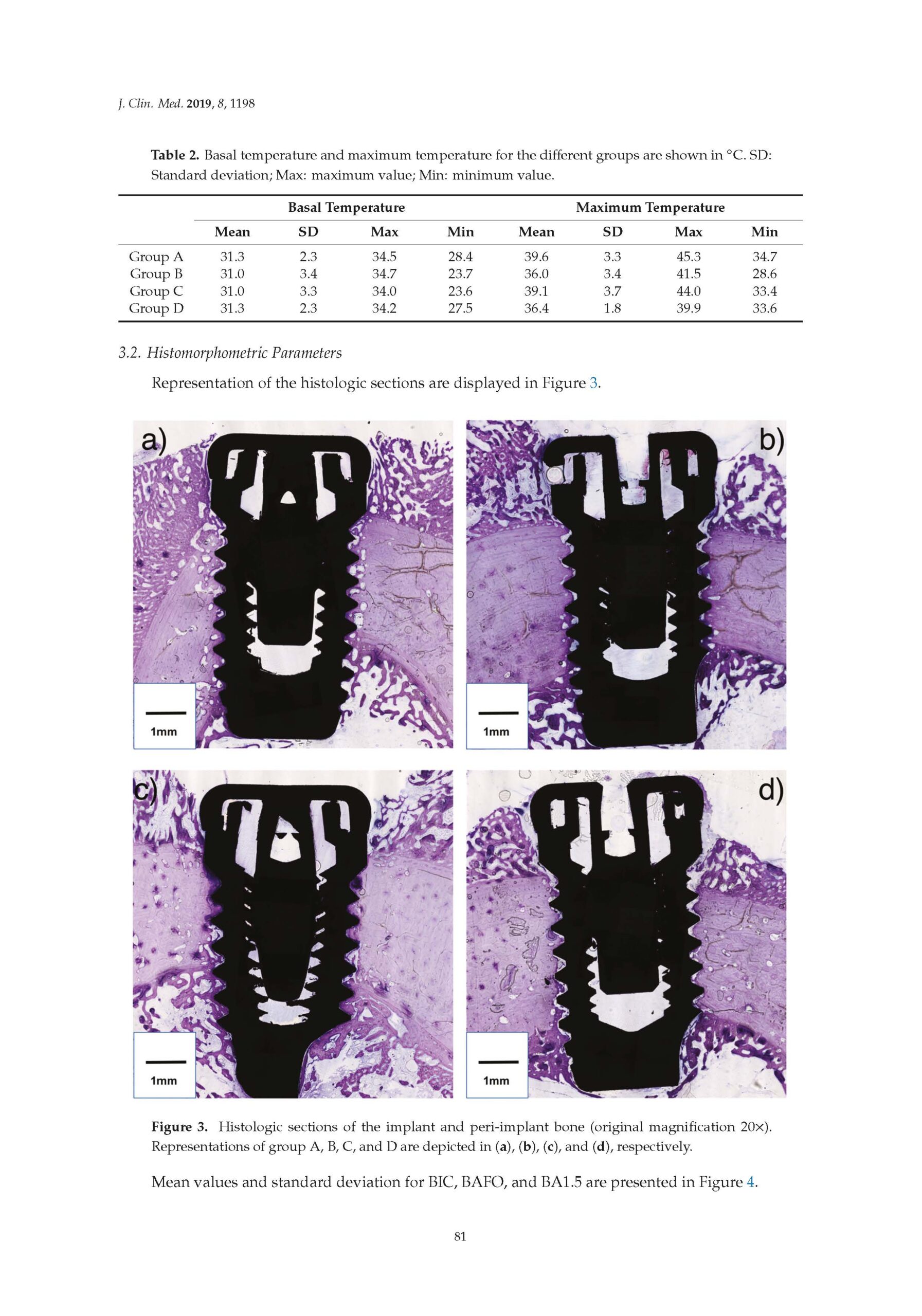
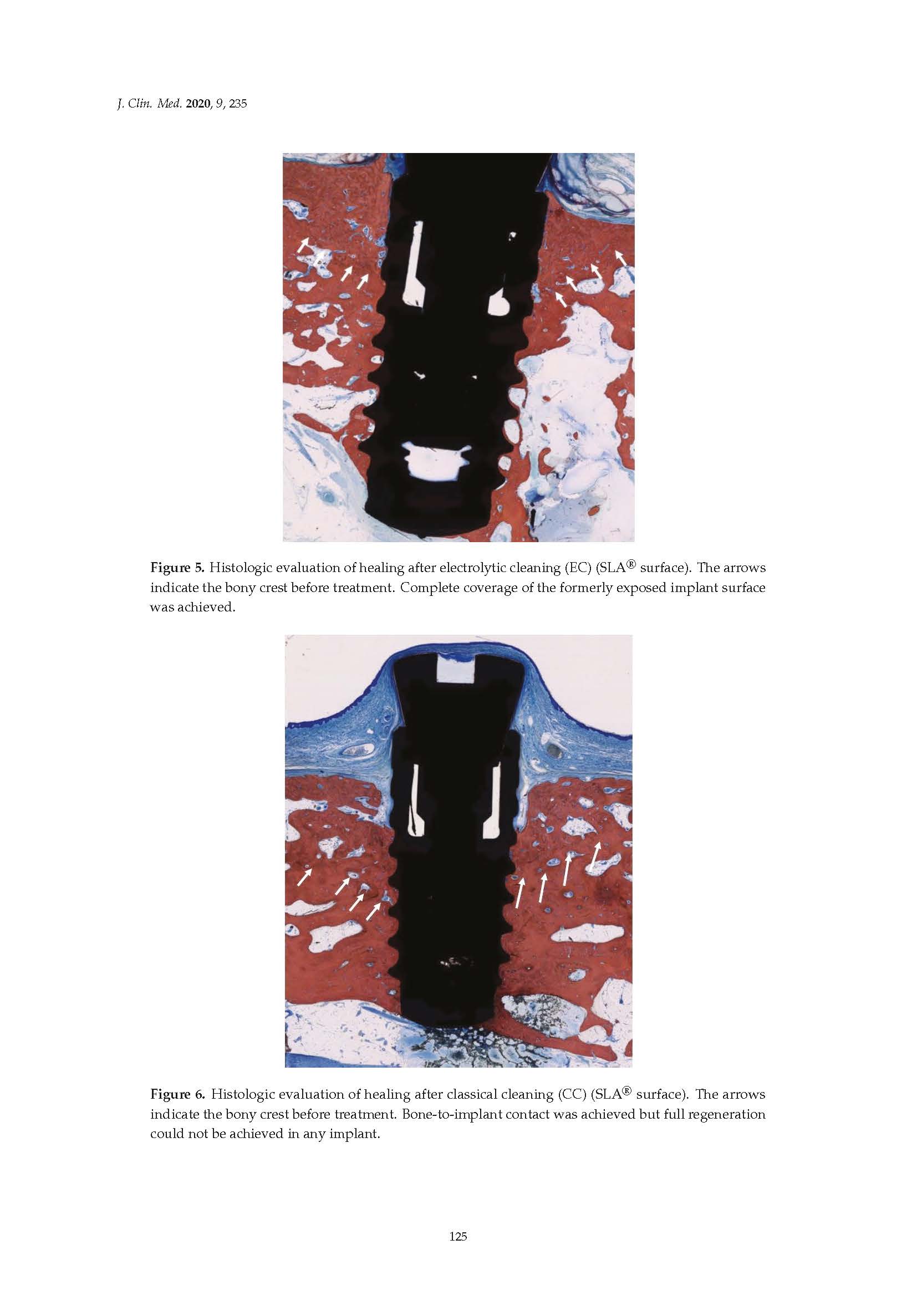
Osseointegrated oral implants were first used clinically in 1965 at Gothenburg University, Sweden, initially in small numbers. The original osseointegration team, including the author, worked under P-I Branemark to test principles of osseointegration not only in the oral cavity but also for craniofacial and orthopedic implants. Early pioneers also included Willi Schulte in Germany and André Schroeder in Switzerland, who published on bone-anchored oral implants in 1976, likely unaware of Branemark’s earlier work. These innovators laid the foundation for today’s most widely used implant systems, including Nobel, Dentsply, and Straumann. The current volume presents the state of the art in oral implants, acknowledging that some interpretations may be outdated or untested. Early researchers believed titanium was inert and that its incorporation in bone resembled simple wound healing, which is now recognized as incorrect, yet clinical results with moderately rough osseointegrated implants remain excellent, with ten-year survival rates of 96–99%. Lessons from early work continue to shape understanding, including that marginal bone loss is not solely dependent on bacteria. Recent findings include Chen et al.’s osteotomy technique using low drill speeds to preserve implant site viability, Han et al.’s study on 3D-printed carbon fiber reinforced PEEK for potential future implant applications, and Choi et al.’s animal study analyzing early osteogenic cell behavior with ultrastructural and immunofluorescence methods. Traditional beliefs, such as implants needing to be rounded, are being reconsidered, with tri-oval designs showing enhanced stability in bone. Studies also highlight risks, such as Zipprich et al.’s finding that ceramic implants generate more interfacial heat than titanium, Stocchero et al.’s demonstration of negative effects from undersized drilling on distant bone, and Duddeck et al.’s evidence that commercially available implants may be contaminated, potentially affecting clinical outcomes.
