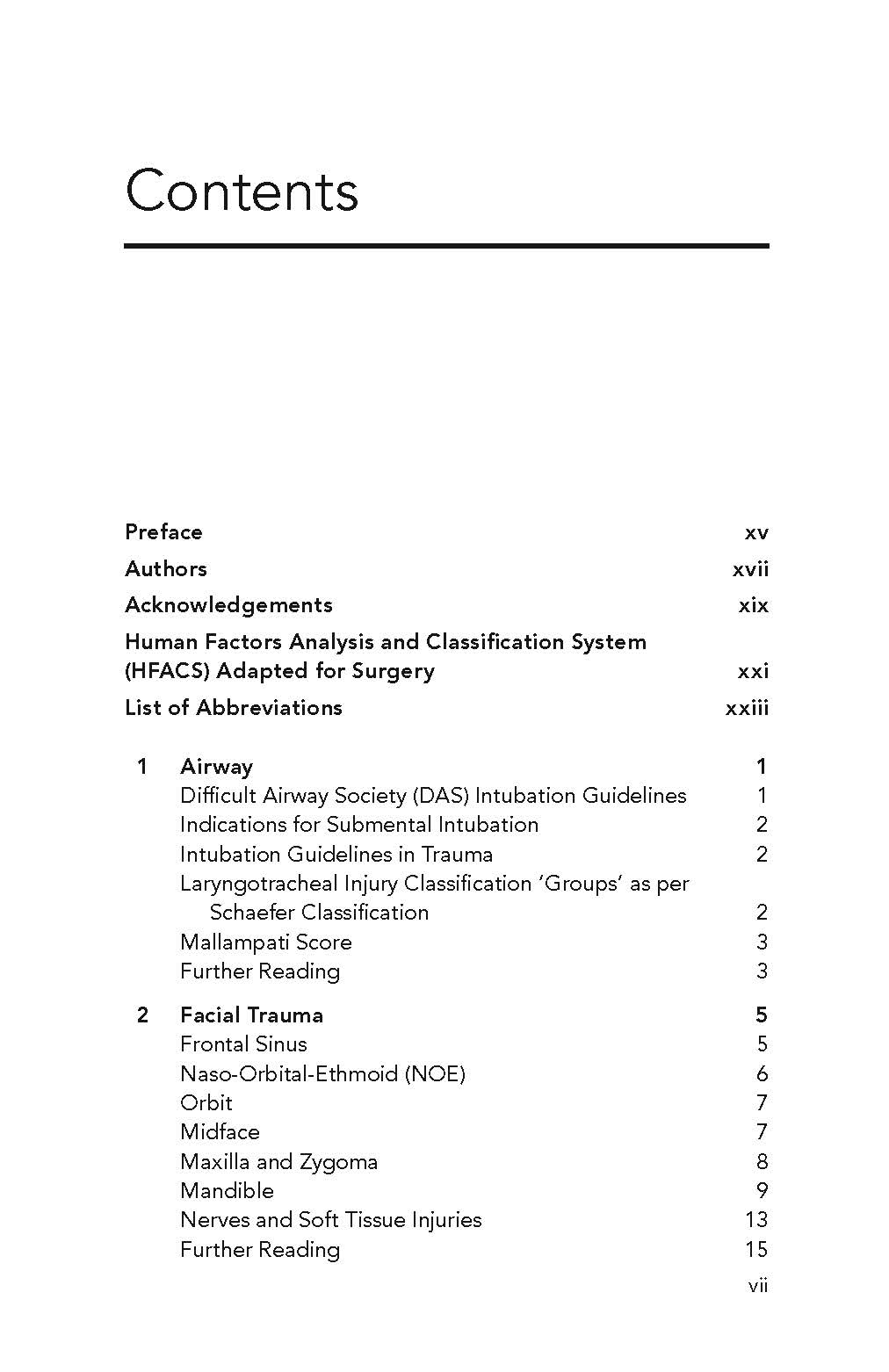
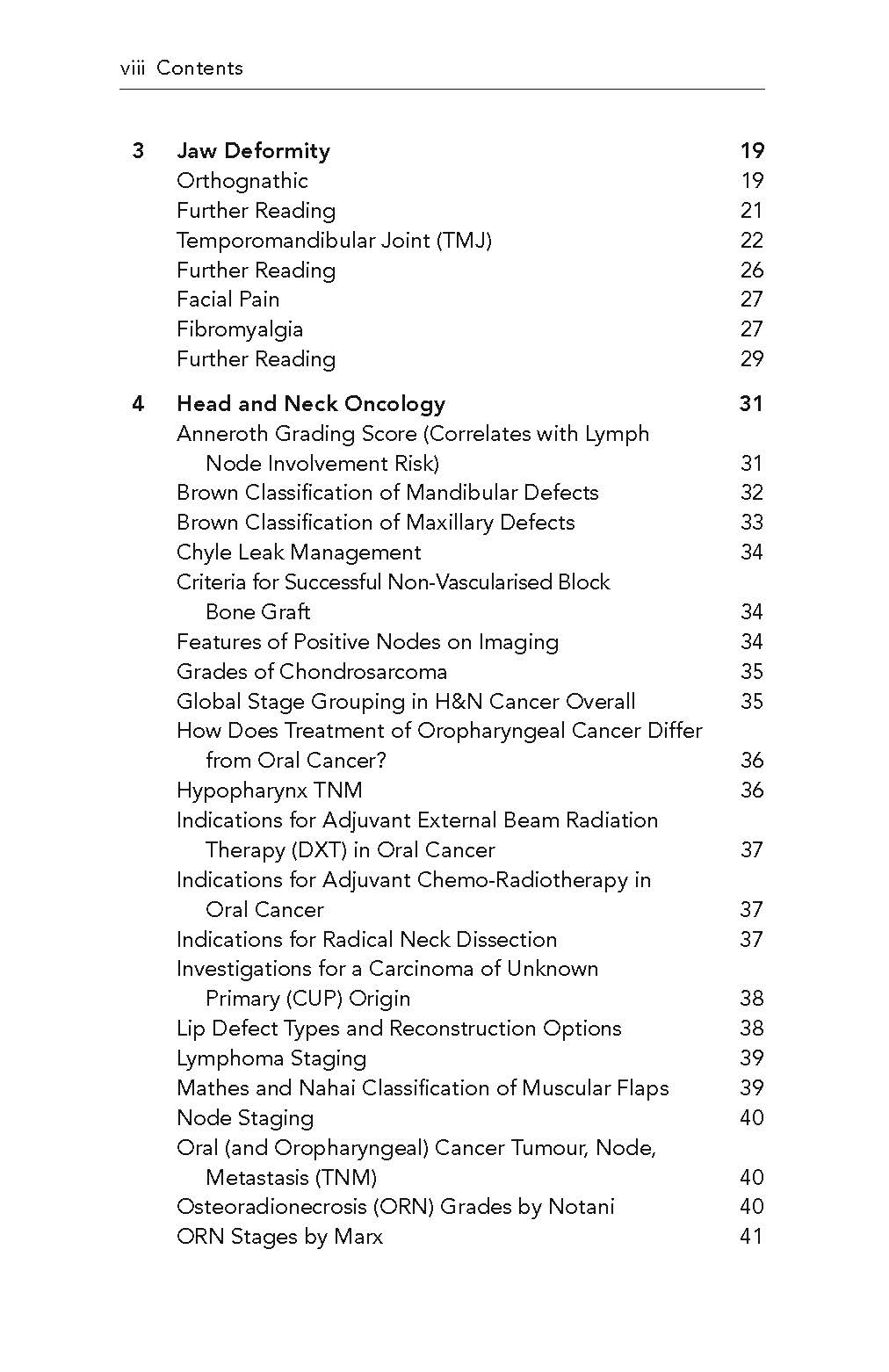
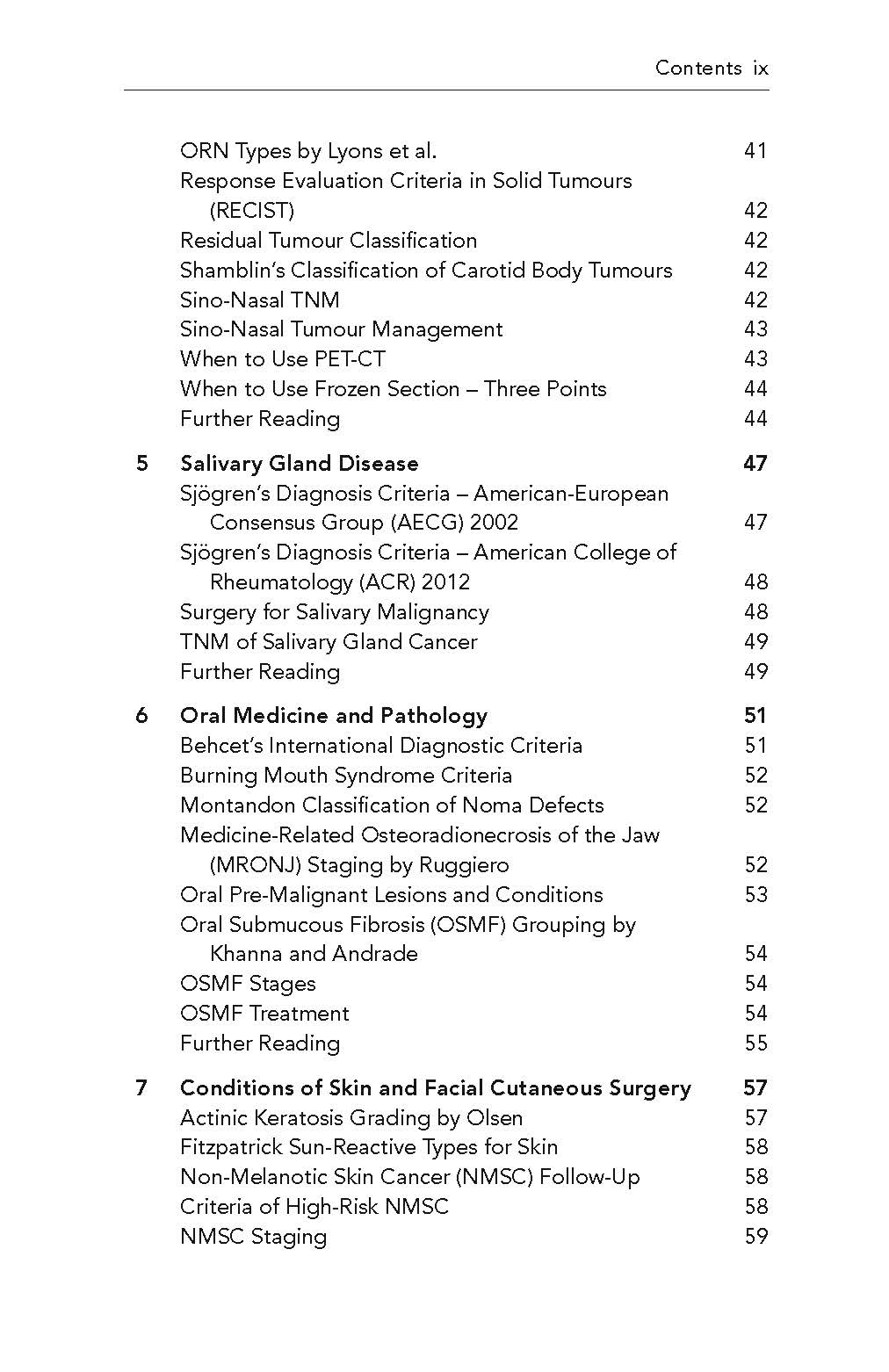
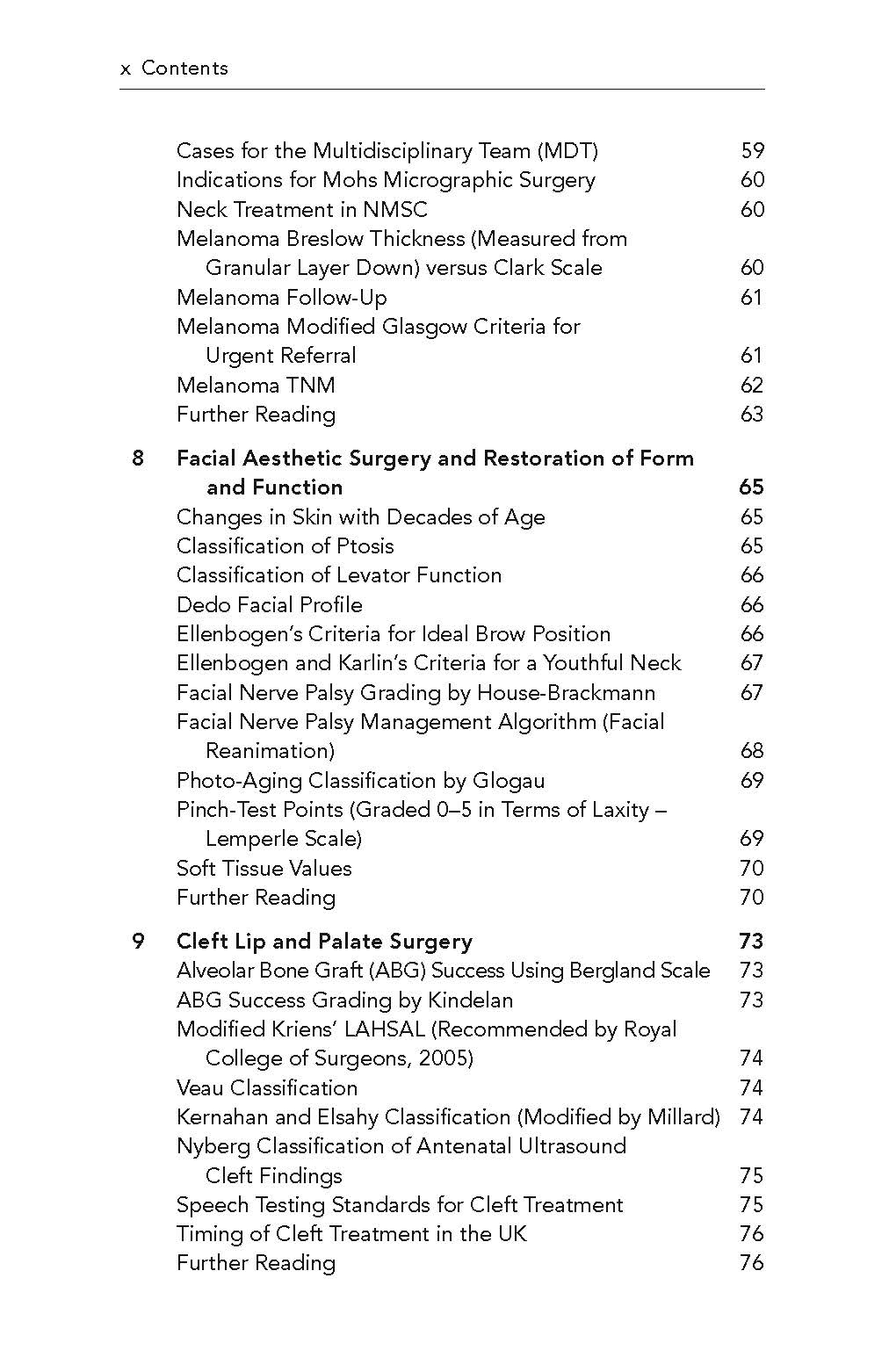
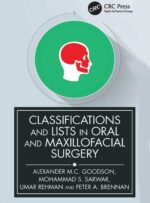



Classifications and Lists in Oral and Maxillofacial Surgery 2024
۷,۸۰۰,۰۰۰ ریال قیمت اصلی: ۷,۸۰۰,۰۰۰ ریال بود.۶,۶۳۰,۰۰۰ ریالقیمت فعلی: ۶,۶۳۰,۰۰۰ ریال.
| Author |
Alexander M.C. Goodson, Mohammed S. Sarwar, Umar Rehman and Peter A. Brennan |
|---|---|
| Copyright Year | |
| Edition Number | |
| Print color | |
| Page Count | |
| Cover Type | |
| Dimensions | |
| Paper type | |
| Publishers | |
| ISBN Number | |
| Weight |
Classification systems are widely used across medical and surgical specialties to create a common language among clinicians. These systems group patients into well-defined and relatively homogeneous categories based on specific characteristics, allowing diseases to be described in a clear, measurable, validated, and reproducible way. This structured approach supports systematic treatment planning and helps reduce complications.
Clinically relevant and widely accepted classification systems facilitate global communication and collaboration. They are especially valuable in research, enabling the comparison of clinical trials, large-scale data documentation, institutional benchmarking, quality control, and the development of standardized treatment algorithms.
In addition to classification systems, diagnostic criteria play a key role in medical practice. These criteria consist of symptoms, clinical signs, and investigation findings that guide diagnosis and management, particularly when disorders present with similar clinical features or when disease mechanisms are poorly understood and lack a clear diagnostic gold standard.
Risk stratification scoring systems are also commonly used to identify patients at high risk of adverse outcomes. These tools help clinicians prioritize treatment based on disease severity and evaluate the potential benefits of preventive or therapeutic interventions.
